Facebook
 X
X
 Pinterest
 Copy Link
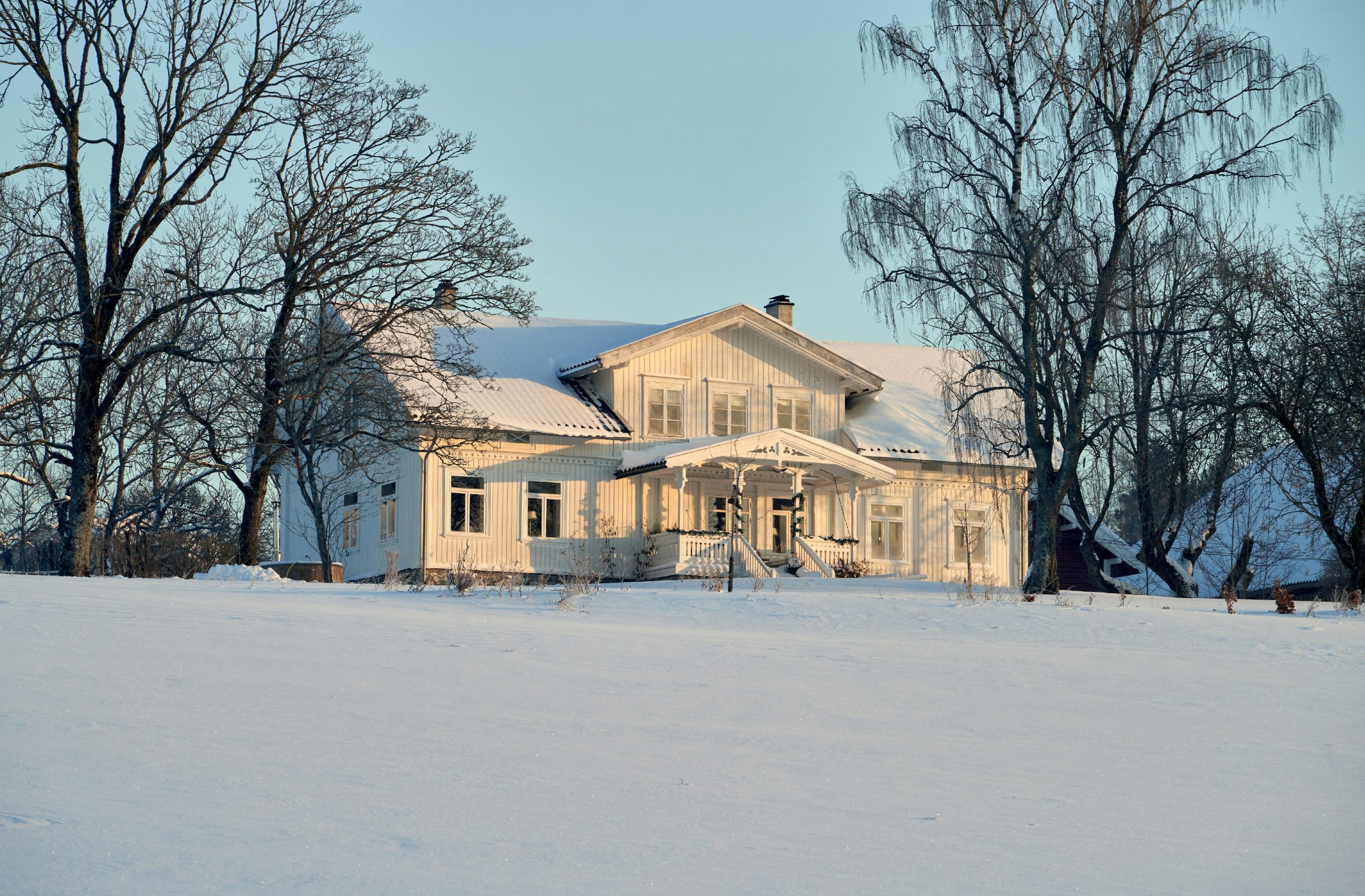
As the first snow fall arrives along the Ottawa River and a familiar chill settles over Orléans, homeowners know what’s coming. Our winters are beautiful but demanding, bringing prolonged sub-zero temperatures, heavy snowfall, and the notorious freeze-thaw cycles that test a home’s resilience. Preparing your property isn’t just about comfort—it’s about protecting your investment from the harsh elements. This guide offers a practical checklist to ensure your home is warm, safe, and efficient all winter long.
Exterior Maintenance: Your First Line of Defense
Your home’s exterior is its shield against snow and ice. A thorough inspection and a few key tasks in the autumn can prevent major headaches later.
Roof, Gutters, and Attic
Ice dams are a significant concern in our climate. They form when heat escapes from your attic, melting snow on the roof. The water then refreezes at the colder eaves, creating a dam that can push moisture under your shingles.
- Inspect Your Roof: Look for missing, loose, or damaged shingles from a safe vantage point.
- Clean Your Gutters: Remove leaves and debris so that meltwater can drain freely, preventing it from freezing and causing damage.
- Check Attic Insulation and Ventilation: Proper insulation on the attic floor keeps heat inside your living space. Good ventilation (through soffit and roof vents) keeps the attic itself cold, preventing snow from melting on the roof in the first place.
Foundation, Windows, and Doors
Cold air is relentless and will find any crack or gap to enter your home, driving up your heating bills.
- Seal Gaps: Inspect the foundation, siding, and areas where pipes or vents exit the house. Use exterior caulk to seal any openings.
- Install Weather-stripping: Check the seals around doors and windows. If you can see daylight or feel a draught, it’s time to replace the weather-stripping.
- Consider Window Insulation Film: For older windows, applying a clear film on the inside creates an extra air pocket, reducing heat loss for a very low cost.
Mechanical Systems Tune-Up
Your furnace and other mechanical systems work overtime in an Orléans winter. A pre-season tune-up is essential for efficiency, safety, and reliability.
Furnace and Air Quality
Most homes in Orléans rely on natural gas or electric furnaces. Ensuring they run optimally is key to managing energy costs.
- Schedule a Furnace Tune-Up: A qualified technician will clean and inspect your unit to ensure it’s running safely and efficiently. This can prevent a costly and uncomfortable mid-winter breakdown.
- Change Your Filter: A clean filter improves airflow and air quality. Check it monthly and replace it as needed throughout the heating season.
- Adjust Your Humidifier: Dry winter air can be uncomfortable. A whole-home humidifier adds moisture, which can make your home feel warmer at a lower temperature.
- Use a Programmable Thermostat: Set it to automatically lower the temperature when you’re asleep or away. This simple step can significantly reduce your energy consumption.
Safety First: Alarms
- Test Carbon Monoxide and Smoke Alarms: With the furnace running and windows closed, these devices are critical. Test them monthly and replace batteries as needed.
Plumbing Protection
Frozen pipes can lead to catastrophic water damage. Taking a few preventative steps is crucial, especially during those deep freezes.
- Shut Off Exterior Faucets: Locate the indoor shut-off valve for each outdoor hose bib. Turn it off, then open the outdoor tap to drain any remaining water.
- Insulate Vulnerable Pipes: Use foam pipe insulation sleeves on any water pipes located in unheated areas like crawl spaces, garages, or along exterior walls.
- If a Pipe Freezes: If you turn on a tap and get only a trickle, the pipe may be frozen. Keep the faucet open and apply gentle heat—like a hairdryer—to the suspected area. Never use an open flame.
Emergency and Snow Prep
Winter storms can bring power outages and heavy snow accumulation. Having a plan is non-negotiable.
- Plan for Snow Removal: Whether you hire a service or do it yourself, have a plan in place before the first major snowfall. Keep shovels and other equipment easily accessible.
- Choose Your Ice Melt: Salt can be damaging to concrete and harmful to pets. Look for pet-safe and concrete-safe alternatives.
- Prepare an Emergency Kit: Stock up on flashlights, batteries, blankets, non-perishable food, and water.
- Generator Safety: If you use a portable generator during an outage, remember to operate it outdoors and at least 6 meters away from any windows, doors, or vents to prevent carbon monoxide poisoning.
A Note on Orléans Real Estate in Winter
Thinking of selling? The winter market in Orléans has unique characteristics. While spring is traditionally busier, listing in winter means facing less competition.
- Serious Buyers: Winter buyers are often more motivated and serious. They may be relocating for a job or have a specific timeline.
- Curb Appeal Counts: Keep walkways and the driveway clear of snow and ice. Exterior lighting creates a warm, welcoming glow during shorter days. A well-maintained home signals to buyers that it has been cared for, even in harsh weather.
- Showcase Winter-Readiness: A warm, cozy interior and proof of recent furnace maintenance can be powerful selling points, reassuring buyers that the home is ready to handle an Ottawa winter.
Stay Warm and Prepared
Taking these steps will not only keep your family comfortable but will also protect your home’s value and help you manage energy costs. A well-maintained home stands up better to the elements and provides peace of mind through the coldest months.
If you’re unsure about inspecting your roof or furnace, don’t hesitate to contact a qualified local professional. And if you’re curious about how your home’s winter-readiness positions it in the current market, contact Real Estate agent Marc-Andre Perrier with Century 21, he can provide valuable insight. Stay warm, Orléans!